Cart 0
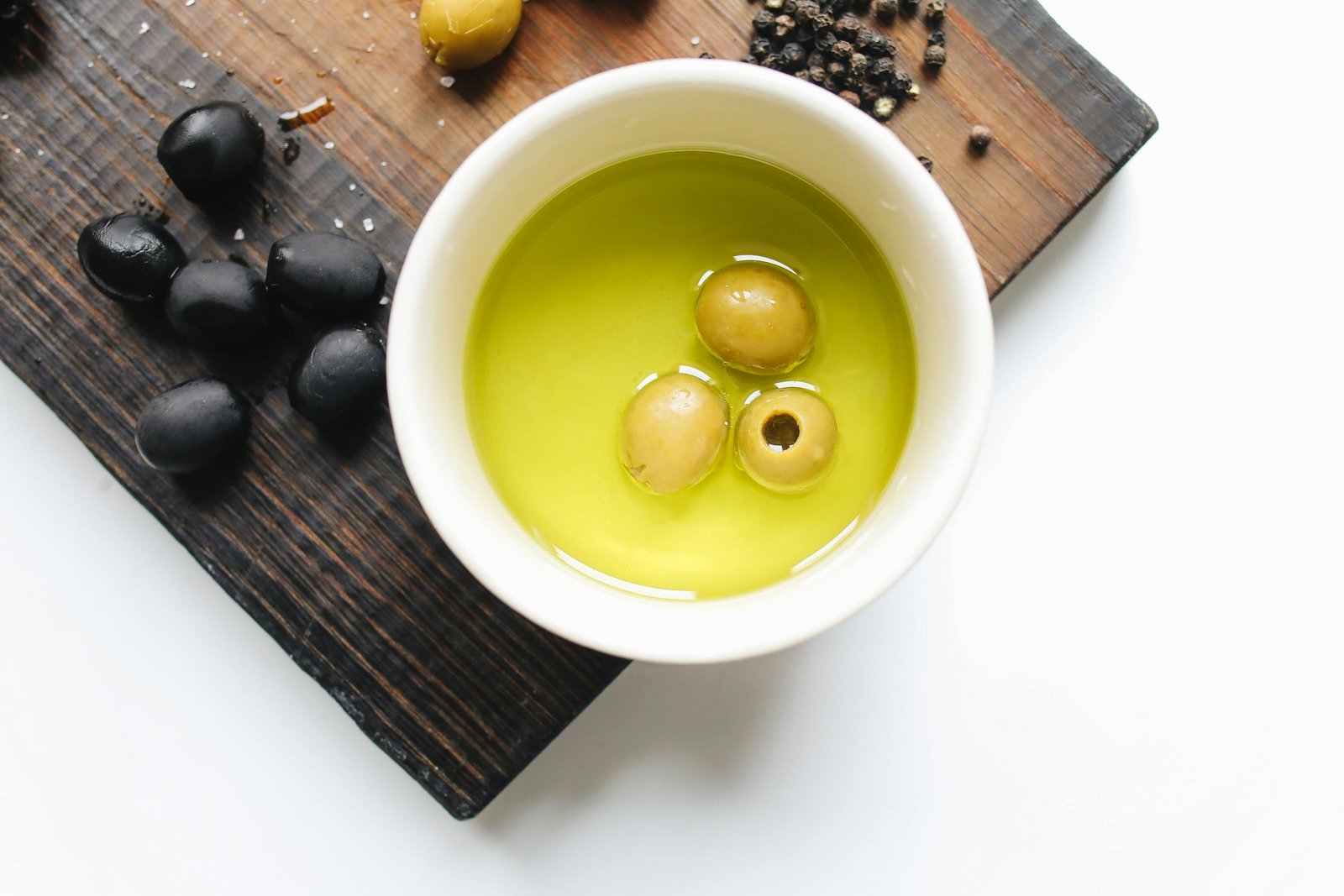
Why Greek Olive Oil Is Expensive (And Worth Every Euro)
Why Greek Olive Oil Is So Expensive (And Why It’s Worth It)
If you’ve ever wondered why a bottle of authentic Greek olive oil can cost two to three times more than a supermarket blend, you’re not alone. But this isn’t just branding or hype. The higher price reflects quality, tradition, production methods, and sustainability. In this article, we’ll explain the real reasons behind the price tag—and why it’s absolutely worth it.
1. Labor-Intensive Harvesting
Most Greek olive oil is harvested by hand on family-run farms. Unlike mechanized harvesting seen in other countries, Greece preserves its trees and flavor by collecting olives gently, which takes more time and manpower. On sloped terrains, tractors and machines can’t reach, meaning more manual labor and higher costs.
2. Traditional, Small-Scale Farming
Greek producers often operate on small plots passed down for generations. These are not mass-production factories. They rely on organic or semi-organic methods, use fewer pesticides, and grow specific high-quality varieties like Koroneiki or Athinolia. This personal care and attention increases costs but results in superior oil.
➡️ Read: Best Greek Olive Varieties
3. Early Harvest for Better Quality
Greek olive oil producers often harvest olives early—while they’re still green and packed with antioxidants. These olives yield less oil but result in a more potent and flavorful product. Naturally, fewer liters per kilo = higher price per bottle.
💡 Learn the benefits of early harvest olive oil
4. First Cold Pressed, Mechanically Extracted
Greek olive oil is usually extracted using cold-press methods that preserve nutrients and flavor without heat or chemicals. These methods are slower and produce less oil compared to modern industrial refining—but the result is unmatched quality.
5. EU Quality Certifications & Packaging
Greek olive oil producers adhere to strict EU regulations. Certified PDO (Protected Designation of Origin) oils come from designated regions like Kalamata or Sitia and must meet rigorous standards. Bottling, dark glass packaging, and labeling add to the cost, but ensure freshness and authenticity.
See also: Greek Olive Oil Label Guide
6. Global Demand Meets Local Supply
Premium Greek olive oil is limited in quantity and exported around the world. With rising interest in healthy fats and Mediterranean diets, global demand has outpaced production in some years—leading to price increases. The 2023–2025 period also saw climate-related shortages affecting crops.
Is Expensive Greek Olive Oil Worth It?
Absolutely. When you pay for high-quality Greek olive oil, you’re getting:
- Higher levels of heart-healthy polyphenols
- Authentic taste from native varieties
- Cleaner, chemical-free production
- Support for small farmers and sustainable agriculture
And when used wisely, a bottle lasts weeks—even months.