Cart 0
Greek PDO and PGI Olive Oils: A Complete Guide
Greece has 33 olive oil names protected as a PDO (Protected Designation of Origin) or PGI (Protected Geographical Indication), according to the official registers at the time of writing. Crete has the most, followed by the Peloponnese, with the rest spread across Halkidiki, Thrace, the Ionian islands and the Aegean. Kalamata, Sitia Lasithiou Kritis, Kolymvari Chanion Kritis, Lakonia and Lesvos are among the best known.
Below you will find the full list grouped by region, a plain-English explanation of PDO and PGI, and tips on spotting the logos when you shop. New names are added from time to time. The EU’s eAmbrosia database is the official, current list.
What PDO and PGI mean
Both are EU quality schemes that protect a product name tied to a place. The European Commission defines them like this:
- PDO (Protected Designation of Origin): the strongest link to place. Every part of production, processing and preparation must take place in the defined region. For olive oil, the olives are grown, milled and turned into oil within the area, following a published specification.
- PGI (Protected Geographical Indication): a particular quality, reputation or other characteristic of the product comes essentially from its geographical origin, and at least one stage of production, processing or preparation takes place in the region.
Each registered name has a product specification setting out the area and the rules. Depending on the name, these can cover olive varieties, cultivation and processing methods, and chemical and sensory limits. The new Kriti PGI, for example, requires extra virgin oil with acidity of 0.6% or less, made mostly (at least 90%) from Koroneiki and/or Tsounati olives grown in Crete. You can read every specification on eAmbrosia.
How to spot genuine PDO and PGI oil
- Look for the EU logo. The Commission says the logo is mandatory for PDO and PGI food products. The PDO logo is red and yellow (gold), and the PGI logo is blue and yellow.
- Check the exact name. The registered name should appear on the label in full, for example “Kolymvari Chanion Kritis” and not just “Cretan”. Words like “traditional” or a village picture do not mean the oil is protected.
- Do not mix up Kalamata names. “Kalamata” is a PDO for olive oil. “Elia Kalamatas” is a separate PDO for Kalamata table olives. Kalamon is the olive variety, which is also grown well outside Kalamata.
- Remember that PDO means origin, not “best”. A PDO or PGI guarantees where and how an oil was made. It does not guarantee it is fresher or tastier than a good non-PDO oil from the same village. Harvest date and storage still matter. Our Greek olive oil label guide explains what else to check.
Crete: 13 protected names
Crete has ten PDOs and three PGIs, including a PGI for the whole island registered in September 2025. Browse producers in our guide to olive shops in Crete.
| Name | Type | Area |
|---|---|---|
| Sitia Lasithiou Kritis | PDO | Sitia, Lasithi (east Crete) |
| Kritsa | PGI | Kritsa, Lasithi |
| Peza Irakliou Kritis | PDO | Peza, Heraklion |
| Arxanes Irakliou Kritis | PDO | Archanes, Heraklion |
| Viannos Irakliou Kritis | PDO | Viannos, Heraklion |
| Messara | PDO | Messara plain, Heraklion |
| Exeretiko partheno eleolado Thrapsano | PDO | Thrapsano, Heraklion |
| Vorios Mylopotamos Rethymnis Kritis | PDO | North Mylopotamos, Rethymno |
| Kolymvari Chanion Kritis | PDO | Kolymvari, Chania |
| Apokoronas Chanion Kritis | PDO | Apokoronas, Chania |
| Exeretiko Partheno Eleolado Selino Kritis | PDO | Selino, Chania |
| Chania Kritis | PGI | Chania regional unit |
| Kriti | PGI | All of Crete |
Peloponnese: 9 protected names
The Peloponnese is Greece’s other great oil region. It includes Messinia, where Kalamata sits, and Laconia, which alone has four protected names. See the Kalamata olive shops, Laconia olive shops and Nafplio and Argolida pages.
| Name | Type | Area |
|---|---|---|
| Kalamata | PDO | Kalamata, Messinia |
| Lakonia | PGI | Laconia |
| Krokees Lakonias | PDO | Krokees, Laconia |
| Petrina Lakonias | PDO | Petrina, Laconia |
| Elaiolado Finiki Lakonias | PDO | Finiki, Laconia |
| Kranidi Argolidas | PDO | Kranidi, Argolida |
| Lygourio Asklipiou | PDO | Lygourio near Epidaurus, Argolida |
| Exeretiko partheno eleolado “Trizinia” | PDO | Troizinia, near Poros |
| Olympia | PGI | Olympia, Ilia |
Northern Greece and Thrace: 4 protected names
Halkidiki is famous for its big green table olives, but it also has two olive oil PDOs. One of them, Agoureleo Chalkidikis, takes its name from the Greek word for oil from unripe olives. See our Halkidiki olive shops and the guide to early harvest olive oil.
- Agoureleo Chalkidikis (PDO), Halkidiki
- Galano Metaggitsiou Chalkidikis (PDO), Metaggitsi, Halkidiki
- Elaiolado Makris (PDO), Makri, Evros, Thrace
- Thassos (PGI), island of Thassos
The islands and Epirus: 7 protected names
Ionian islands and Epirus
- Agios Mattheos Kerkyras (PGI), southern Corfu
- Kefalonia (PGI)
- Zakynthos (PGI)
- Preveza (PGI), Epirus coast
On Corfu, combine a visit to Agios Mattheos with the island’s olive museums and estates, listed on our Corfu olive shops page.
Aegean islands
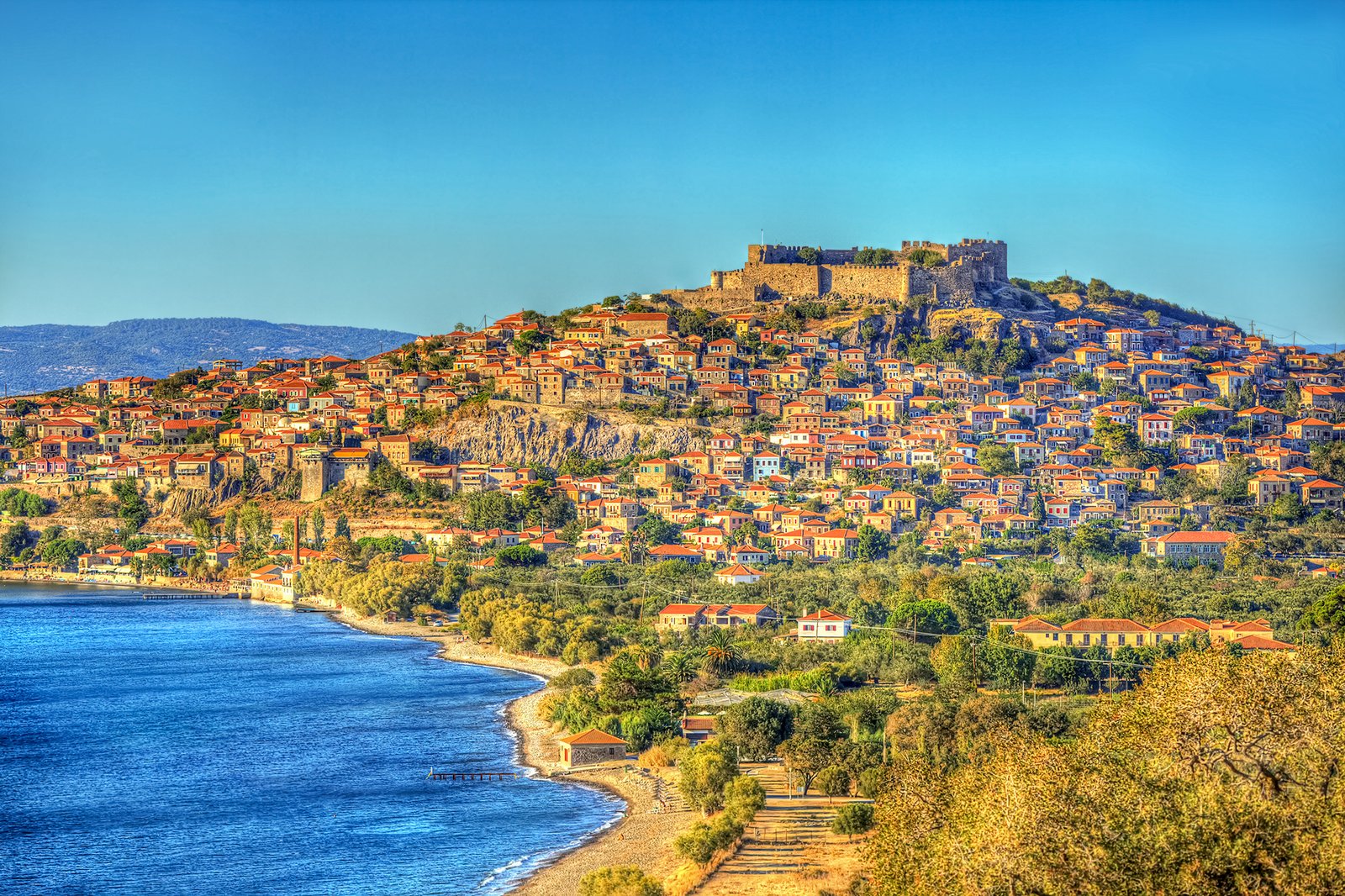
- Lesvos / Mytilini (PGI)
- Samos (PGI)
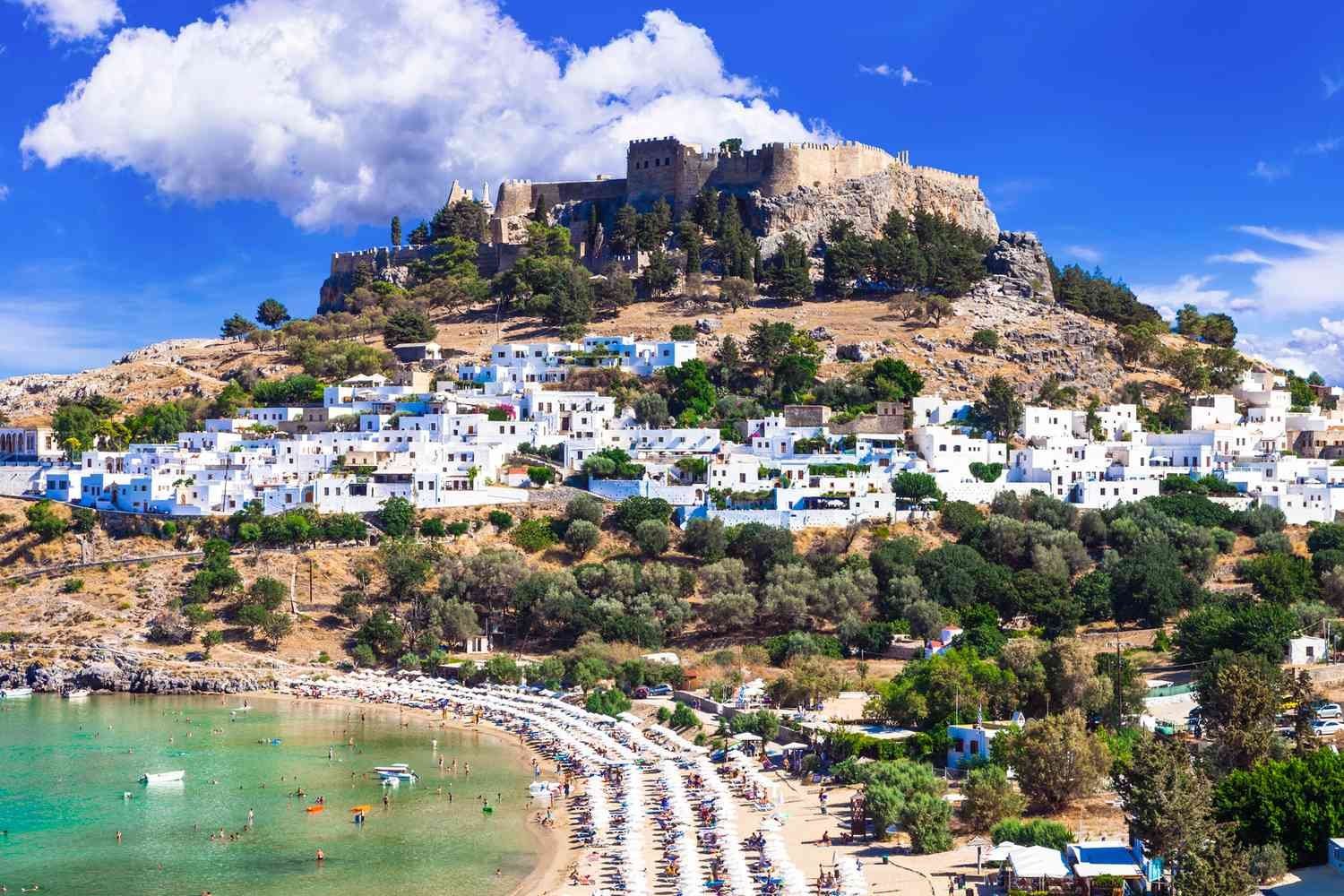
- Rodos (PGI), Rhodes
Lesvos has a long industrial olive oil history. The Museum of Industrial Olive Oil Production of Lesvos is a good place to start before visiting producers on the Lesvos olive shops page. For Rhodes, see the Rhodes olive shops.
The famous names worth knowing
- Kalamata (PDO): the best-known name abroad. Remember that Kalamata the oil, Elia Kalamatas the table olive and Kalamon the variety are three different things. Producers around Kalamata include Mani Bläuel and LIÁ Olive Oil Hub.
- Sitia Lasithiou Kritis (PDO): from the far east of Crete. The area is also home to the Toplou Monastery Estate.
- Kolymvari Chanion Kritis (PDO): from the peninsula west of Chania, one of the best-known Cretan names. Biolea Astrikas Estate is in this part of Crete.
- Lakonia (PGI): covers the wider Laconia region, around Sparta and Molaoi. Visit the Museum of the Olive and Greek Olive Oil in Sparta.
- Lesvos / Mytilini (PGI): an island with its own local varieties and a long milling tradition.
- Zakynthos (PGI) and Kranidi Argolidas (PDO): smaller names you will mostly find locally. They are worth looking for on the island or in the Argolid.
- Kriti (PGI): the newest, registered in September 2025 after an application filed in 2021. It covers all four Cretan regional units: Chania, Rethymno, Heraklion and Lasithi.
For a wider look at brands and quality, see our best Greek olive oils guide, or find every producer on the olive map.
FAQ
How many Greek olive oils have PDO or PGI status?
33 at the time of writing: 20 PDOs and 13 PGIs. The UK’s register of protected names, which carried over EU registrations, lists 32 Greek olive oil names, and the Kriti PGI was added to the EU register in September 2025. Check eAmbrosia for the current list.
Is PDO olive oil better than PGI?
Not necessarily. PDO means every stage happens in the area, while PGI needs at least one stage there. Both follow a specification. Quality also depends on harvest, milling and storage.
Is Kalamata olive oil the same as Kalamata olives?
No. “Kalamata” is a PDO for olive oil, and “Elia Kalamatas” is a separate PDO for table olives. Both come from the Kalamata area but are registered separately.
Where can I check whether a name is genuine?
Search the name in the EU’s eAmbrosia database, which also holds each product’s specification.
Sources
- European Commission: eAmbrosia, the EU geographical indications register
- European Commission: Geographical indications and quality schemes explained
- GOV.UK: Protected food names, Greece, class 1.5 oils and fats
- GOV.UK: Protected food names, Greece, class 1.6 (table olives)
- Olive Oil Times: Cretan olive oil receives PGI quality certification
- Greek Liquid Gold: Cretan extra virgin olive oil gets new PGI status
- FoodNavigator: New colours for the PDO logo